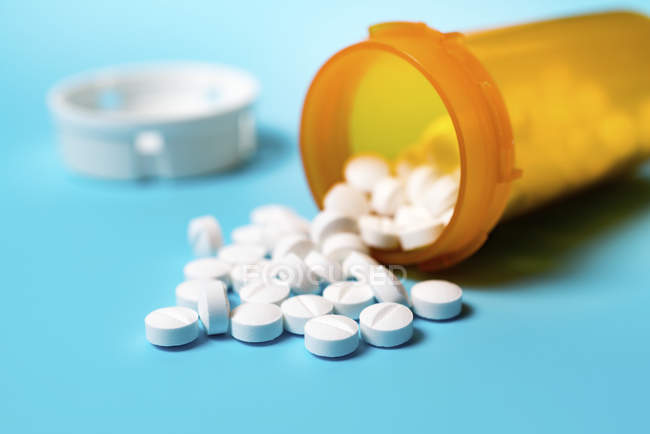
Suboxone, also known as buprenorphine and naloxone, is an effective medication-assisted therapy for opioid detoxification. Suboxone has been used successfully in both addiction treatment and opioid withdrawal while significantly reducing the risk of relapse. Innovative Health Systems has harnessed the power of this medication to help people struggling with opioid use disorder.
We can confidently say that suboxone has become a valuable ally for people struggling with this complex disorder. By combining two medications into one formulation, researchers have effectively created an option that offers unparalleled support during the recovery process. In this article, we will discuss the role of suboxone in opioid detoxification and how Innovative Health Systems use it to their advantage when providing comprehensive care models for those in need.
What is Suboxone?
Suboxone is a combination drug consisting of two active ingredients: buprenorphine, an effective partial agonist that binds to opioid receptors in the brain, and naloxone, an antagonist that dampens the euphoric effects of opioids while minimizing the risk of overdose via its rapid receptor antagonism. This dual-acting formulation helps people quit opioids more easily by easing cravings and reducing withdrawal symptoms. It also works as a deterrent from continuing to abuse opioids because naloxone blocks pleasurable sensations that come from taking them. Thus, suboxone provides a safe and well-rounded option for helping to overcome addiction more effectively than traditional methods used in the past.
How Does Suboxone Work for Detoxification?
When taken properly, buprenorphine helps to reduce cravings while blocking withdrawal effects. This allows people going through opioid detoxification to gradually reduce their dependence on these substances without significant unpleasant side effects like nausea, irritability, and depression that were often linked to traditional methods of medication-assisted treatment (MAT). Naloxone also works to help prevent relapse by creating an aversion reaction, which makes people less likely to take the drugs due to the negative reaction associated with it. As a result, suboxone is considered one of the most effective medications available today for treating opioid addiction successfully while reducing subsequent overdose risks.
Benefits of Innovative Health Systems
Here at Innovative Health Systems the use of suboxone as a treatment option has been frequently made due to its effectiveness and low risk of adverse events or overdose when administered correctly. The latest MAT programs strive for improved patient outcomes by integrating support from both medical professionals and mental health counselors as part of their comprehensive care models. A major benefit of utilizing a multi-faceted approach is that it effectively targets both the physical and psychological aspects associated with opioid use disorder in order to create meaningful change. Innovative Health Systems has found that suboxone treatment also mitigates potential dangers associated with abruptly stopping opioid use, such as withdrawal symptoms or substance-seeking behavior.
Some Drawbacks of Suboxone in Opioid Detoxification
Although suboxone does provide relief for many people going through opioid detoxification, it is still important to consider any potential risks or drawbacks associated with the use of this powerful medication. For example, misusing suboxone can lead to respiratory depression or other negative health effects due to its powerful active ingredients. In addition, there is potential for people to become tolerant of the drug and need higher doses over time; therefore, careful monitoring from a medical professional is essential in these cases.
Due to the possibility of naloxone producing an aversion reaction, some people may experience anxiety or extreme discomfort when using suboxone. Consequently, innovative healthcare systems must be aware of any of these possible challenges so they can ensure patient safety while also providing effective care outcomes.
Innovative Health Systems Considerations
Innovative Health Systems considers opioid detoxification a process that involves comprehensive treatment rather than just medication alone. While medications play an important role in helping individuals through the withdrawal process, they need other supports as well, such as mental health therapy, social services, and alternative treatments, like yoga and meditation, to fully recover from their addiction. Innovative Health Systems recognizes that long-term treatment plans are necessary for the sustainable success of treatment programs, including psychological counseling, self-help groups, and continuous medical monitoring.
Furthermore, there is also the need to help patients understand why they have become addicted in the first place and how to make sure they remain free from drugs in the future, outside of the clinical settings, through lifestyle modifications and educational courses, among other approaches.
Techniques to Optimize Suboxone Treatment
Innovative Health Systems is constantly looking for ways they can optimize suboxone treatment to ensure greater success in addiction recovery outcomes. By leveraging the best available evidence and data-supported strategies, healthcare providers have come up with promising techniques that can help get the most out of a suboxone regimen.
Therapeutic Counseling
Therapeutic counseling is an important factor in the effectiveness of Suboxone treatment, as it ensures that psychological/emotional facets associated with opioid addiction be addressed as well. According to studies, people receiving MAT are more likely to remain abstinent and achieve their treatment goals when also receiving therapeutic support from a mental health counselor or therapist. The intervention focuses on identifying triggers for substance use and working on underlying problems related to it. Health systems should consider this practice when offering comprehensive care models for opioid detoxification services using Suboxone.
Medication Monitoring
Optimizing suboxone effectiveness also revolves around proper dosing and monitoring practices. In fact, research suggests that regularly assessing medication levels and adherence provides better recovery outcomes while curbing misuse potentials as well. Therefore, innovative healthcare systems are advised to create retrieval systems that emphasize periodic assessments from a qualified medical provider in order to ensure that the medications are taken at the right dose and adherence rate.
Medication-Assisted Treatment (MAT) Programs
Innovative Health Systems offers suboxone treatment as an integral part of their opioid detoxification services through MAT programs. With this approach, healthcare providers can provide comprehensive care models that integrate medical and psychosocial interventions, along with regular assessments and medication monitoring. These programs have been found to be effective in helping people recovering from opioid addiction achieve positive outcomes by providing support throughout the process, including medical and mental health perspectives.
Suboxone Administration Guidelines
Best Practices for Dispensing Suboxone
Healthcare providers must adhere to certain professional guidelines and established protocols while dispensing suboxone. Before beginning the treatment process, it is important to consider dosing requirements and any possible contraindications. Additionally, medical professionals must be well-versed in both the benefits and risks associated with using suboxone to ensure patient safety while also understanding potential challenges that may arise from using this powerful medication.
Managing Patient Treatment Expectations
Healthcare providers should manage expectations for their patients when starting a suboxone program, as recovery is a long-term process, and language used during consultations may influence successful outcomes. Healthcare professionals should communicate clearly about any proposed treatment plan and review possible scenarios, which may evolve depending on changing needs or circumstances. Providers should strive to create positive relationships with their patients based on trust and respect for patient autonomy throughout care.
Practical Considerations for Medical Providers
Medical professionals providing treatment programs using suboxone should ensure they are current with the latest research findings, as these may impact how the medication is prescribed or administered. Additionally, providers should be well aware of any relevant ethical considerations that come with this form of treatment and follow appropriate channels when engaging with patients. Lastly, healthcare providers must also focus on self-care to provide quality care without burning out or worsening their mental health.
Recovery Resources
Online Support Networks
Access to an online support network can be incredibly beneficial for people undergoing opioid detoxification with suboxone. Sites like Narcotics Anonymous, SMART Recovery, and Addiction Hope offer supportive communities of peers who are able to share advice and provide encouragement during treatment. This type of virtual human connection supports a physical sense of connectedness and fuels motivation towards recovery, as one is surrounded by others facing similar struggles.
Social Connections for Recovery
Social connections are another resource that can help while in recovery from opioid addiction. Having people in one’s physical proximity, who understand the challenges associated with living a substance-free life, provides a comforting sense of belonging and greatly reduces feelings of isolation or hopelessness. Developing relationships with trusted friends, mentors, or healthcare providers can be especially helpful for those navigating the suboxone treatment process as well.
Finding Meaningful Purpose
Although recovery from addiction can be very intimidating at times due to its complexity, it does not have to mean the end of an inspired life. Instead, it may signify new beginnings filled with exciting possibilities just waiting to be explored and experienced. People undergoing opioid detoxification using suboxone should take the time to explore different interests and activities that bring them joy, as this can lead to uncovering hidden talents, pursuing meaningful passions, or achieving life goals.
Cues for Success
Recovering from opioid addiction can be a long and arduous process, but it is not hopeless. Innovative Health Systems keeps this in mind when offering comprehensive care models for opioid detoxification services using Suboxone. In addition to medication-assisted treatment and therapeutic support, motivating factors can serve as powerful resources for those on the journey to sustained freedom from their addiction.
Tracking Progress
One of the best motivational techniques available is tracking progress along the recovery journey. Doing so provides tangible evidence of success, which cultivates a sense of accomplishment and pride – elements that are essential during any major life transition. People going through this process should have easy access to a recovery diary or other means of tracking their daily progress; this way, they can visualize how far they have come and also set specific goals that drive them toward recovery.
Positive Environment
The environment greatly influences how successful someone will be in overcoming their addiction. It’s important to cultivate a positive atmosphere free from temptation while also providing emotional and practical support whenever necessary. Having an understanding, and a nonjudgmental support system that includes peers and therapists alike, is one of the foundations for successful outcomes when engaging with suboxone-assisted opioid detoxification.
Hope and Persistence
Above all else, those going through opioid detoxification with the help of suboxone need to believe in their own power and potential to see themselves through this process and make a full recovery. It is important to remember that although the journey may be difficult at times, there is always hope for success as long as someone keeps pushing forward and staying motivated. Positive affirmations can be a tremendous source of strength during this time, so keeping an open mind and minding one’s mental health are essential components for long-term success.
Conclusion
Innovative Health Systems has made successful use of suboxone in opioid detoxification by leveraging this compound’s unique combination of active ingredients in order to create meaningful changes in addiction recovery outcomes. Suboxone helps alleviate cravings and reduce withdrawal symptoms while also decreasing the risk of relapse and overdose.
However, it is important to understand the potential drawbacks associated with the misuse of this powerful drug especially due to its effects on respiratory depression or tolerance. All in all, suboxone can be a powerful tool when used correctly in an innovative healthcare system that prioritizes patient recovery outcomes over anything else.
Sources:
https://ascpjournal.biomedcentral.com/articles/10.1186/s13722-021-00244-8